
MANGO &
BLOOD GLUCOSE
The Full Picture
Mangoes contain natural carbohydrates that can raise blood glucose, but they also provide fiber, vitamins, antioxidants, and beneficial plant compounds.
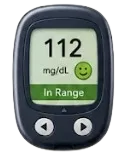
Example Reading
112 mg/dL • In Range
WHAT'S IN 1 CUP OF MANGO?
(165 g)
25–28 g Carbohydrates
22–24 g Natural Sugars
~3 g Fiber
Vitamin C
Vitamin A
Antioxidants (Mangiferin)
Fiber helps slow sugar absorption compared to highly processed foods.
UNDERSTANDING CARBOHYDRATE INTAKE
The American Diabetes Association does not recommend one specific carbohydrate amount for everyone. Individual needs vary.
WOMEN
30–45 g
per meal
MEN
45–60 g
per meal
SNACKS
15–20 g
per snack
1 cup of mango has about 25–28 g of carbohydrates.
If your goal is 45 g per meal, 1 cup of mango can fit.
If your goal is 60 g per meal, 1 cup of mango uses less than half of your carbohydrate budget.
WHOLE MANGO VS. MANGO JUICE
Whole fruit is generally a better choice for blood glucose balance.
WHOLE MANGO
- Contains fiber
- Slower digestion
- Greater fullness and satisfaction
MANGO JUICE
- Less fiber (especially when strained)
- Faster absorption of sugars
- Multiple mangoes in one serving

THE GRACE OF EDEN™ PERSPECTIVE
No single fruit causes health or healing by itself.
Lasting wellness comes from consistent habits, intentional nourishment, movement, hydration, rest, and stewardship of the body.
Know your numbers. Honor your body.
A GRACE MOMENT™
“Every fruit, every vegetable, every root, and every leaf was designed with purpose. Wisdom is not found in fear of food, but in learning how to nourish the body with intention.”
TIPS FOR HEALTHY BLOOD GLUCOSE BALANCE
Page 7 of 10
"Whether therefore ye eat, or drink, or whatsoever ye do, do all to the glory of God."
- 1 Corinthians 10:31 (KJV)